Direct Fired API 560 Heaters
We have spent decades engineering and developing fired heaters to API 560 and ISO 13705.

Our track record across the design, engineering and supply of direct fired heaters has built long-standing client relationships and established us as a serious competitor in a market traditionally dominated by larger players.
Our approach to fired heater design is pragmatic. We control cost and construction feasibility from the earliest design stage, and we have the experience to deliver fully modularised fired heaters on a turnkey basis, from initial engineering through to operational handover.
Direct fired heaters serve multiple heating requirements, most commonly crude oil heating. We design three principal types: Cylindrical, Cabin and Box. The vertical cylindrical heater with vertical coils is the most widely used, with helical coil variants available for smaller duties.
DESIGN CONCEPTS
All three heater types share common features. A radiant section, or firebox, lined with heat-retaining refractory exposes the heating coil tubes to direct radiation from the burner flames. Burners fire on fuel gas, fuel oil or a combination, with combustion air either induced by the natural draft of the heater stack or supplied by a centrifugal fan at ambient or pre-heated temperature.
A heat recovery section extracts residual heat from combustion products leaving the radiant section through one or more convection coils, with heat transfer enhanced by finned steel extended surface welded to the outside of the coil tubes.
Direct fired heaters also serve chemical and petrochemical plants where large heat loads are applied to a process or feedstock at high temperatures, including hot oil heaters used to maintain circulating heat transfer oil serving multiple plant processes.
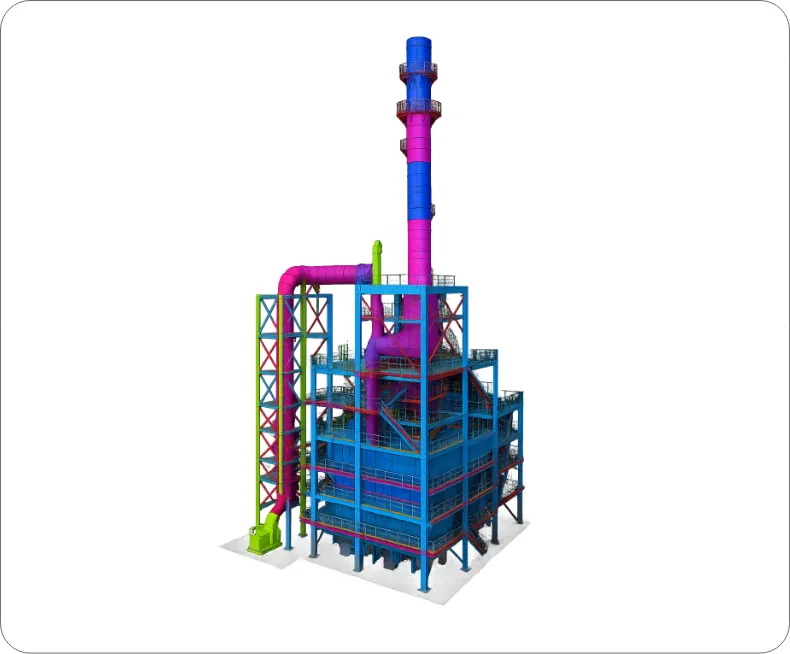
OUR HEATER TYPES

Vertical Cylindrical Heater
The vertical cylindrical heater has been the industry’s default choice for decades. Its compact footprint and relatively low capital cost make it the first choice for most refinery and general heating applications.
Our furnace uses the shell as its primary structure, with plate thickness specified for robustness. This avoids refractory warping and damage whilst minimising noise transmission and presenting a clean, easily maintained exterior.
Vertical tube furnaces on crude and reduced crude vaporisation service present specific challenges. We only offer these units once we have satisfied ourselves that flow stability can be maintained across the full turn-down range. Unstable phase separation in long downflow tubes has caused rapid coking and tube failure where designers have not given proper attention to flow regime and in-tube velocity.
Horizontal Tube Cabin Heater
The most rugged and flexible furnace design available, the cabin heater need not cost significantly more than a vertical heater of equivalent size, particularly for larger units with removable plug clean-out fittings specified for the coil. It is the first choice for difficult vaporising services where flow regime inside the coils is a concern.
Some designs fire towards a central refractory firebrick partition wall, providing maximum protection against fuel supply upsets or burner malfunction. Flue gas removal ducting and convection section intermediate tube-sheets are arranged to ensure uniform heat transfer across the full furnace length.
For large crude or reduced crude units requiring fine temperature control across different coil passes, the furnace can be divided into cells. Each cell exposes the minimum number of coil passes to a row of burners, allowing firing rates to be trimmed as required. Refractory firebrick partition walls can also be used to zone furnaces and control heat flux in specific coil areas.
Vertical Tube Box Heater
Vertical tube box heaters combine the low cost and minimal footprint of vertical heaters with the firing rate control inherent in the horizontal tube design. They are particularly suited to larger installations where multiple units operate simultaneously and can be economically combined within a single shell.
Conventional burners firing vertically or horizontally are available, alongside specialised radiant wall firing burners. Of particular interest is our catalytic reforming unit design, where coil arrangements with high intrinsic flexibility, supported by constant load spring hangers external to the furnace, allow terminal nozzles to be located adjacent to reactor nozzles. This absorbs thermal movements from customer reactors and transfer lines, delivering meaningful savings on expensive alloy piping through reduced pipe runs.
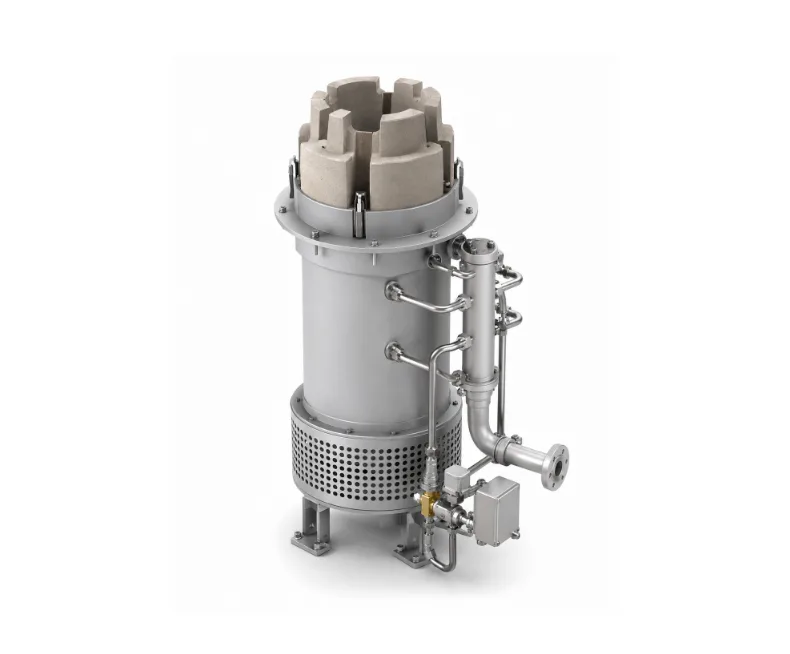
Burners and Fuels
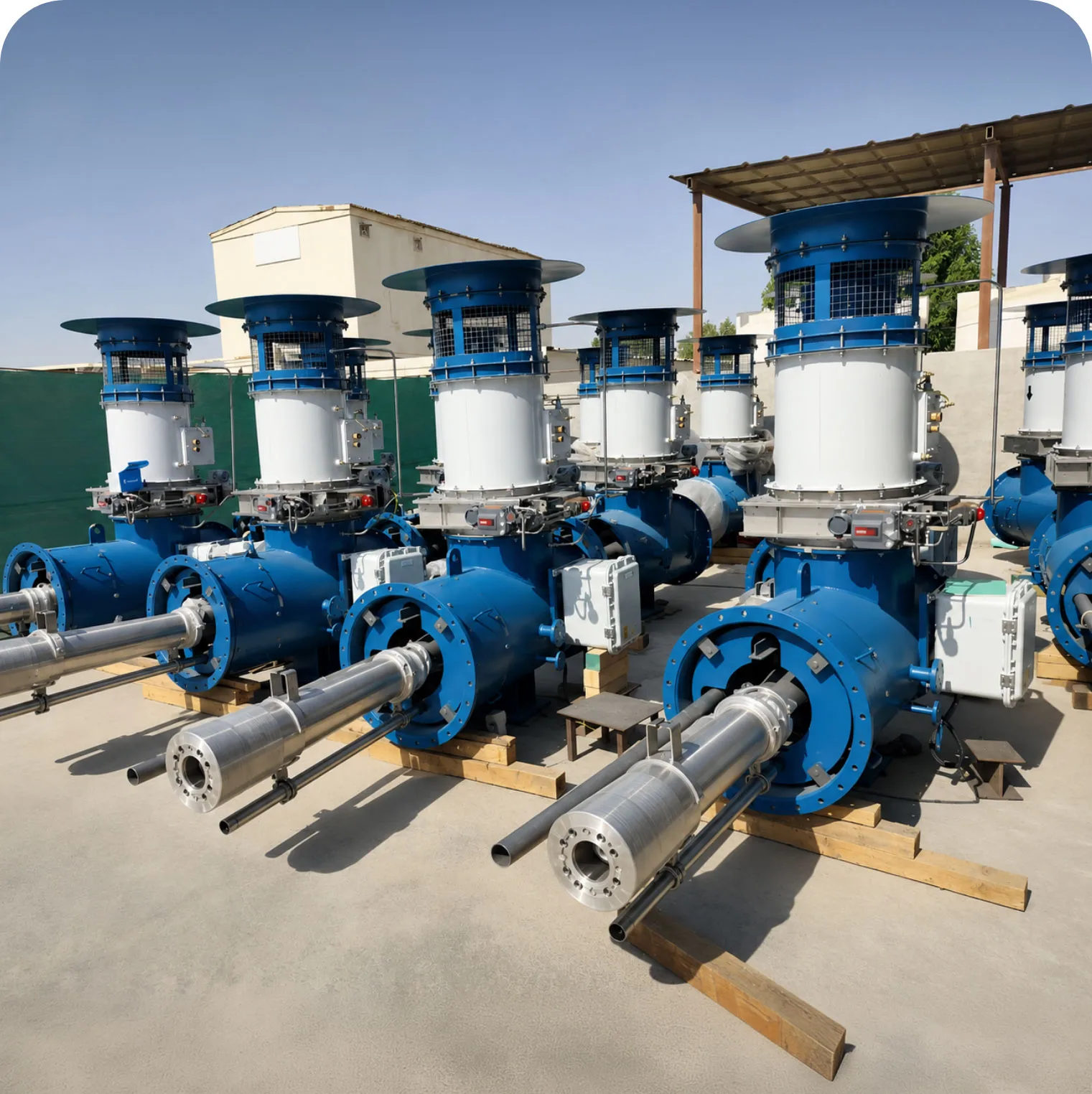
Burners are selected to deliver the flame profile best suited to each furnace and the flue stack emissions required to meet environmental standards. Burner guns are available in alloy steel to resist hydrogen sulphide attack where required. Pilot burners are inspirating type, requiring only low fuel pressure.
Fuels include natural gas, refinery gas and liquid hydrocarbons, are fired separately or in combination. Natural draft is used on most refinery installations. Forced draft fans are used where automatic fuel/air ratio control is used, or where instrumentation costs favour a single large burner over multiple smaller units. Forced draft burners are also selected where pollution control or safety requirements drive the specification. Noise control through integral silencing or separate attenuators is standard.
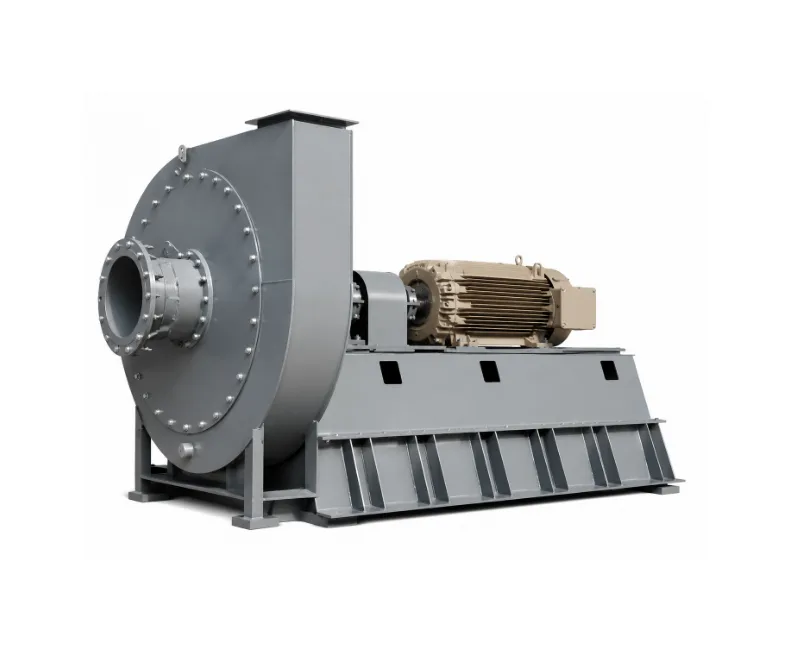
Combustion Air and Flue Gas Fans
Forced draft burners typically require combustion air at approximately 150 mm WG, supplied by centrifugal fan. Backward bladed impellers are generally specified for their superior turndown characteristics. Axial fans are considered where the combustion air fan is used for pre-purge only, or where burner air pressure requirements are low. Centrifugal flue gas fans can be installed on high-temperature furnaces with large waste heat recovery sections and where air pre-heaters are in service.
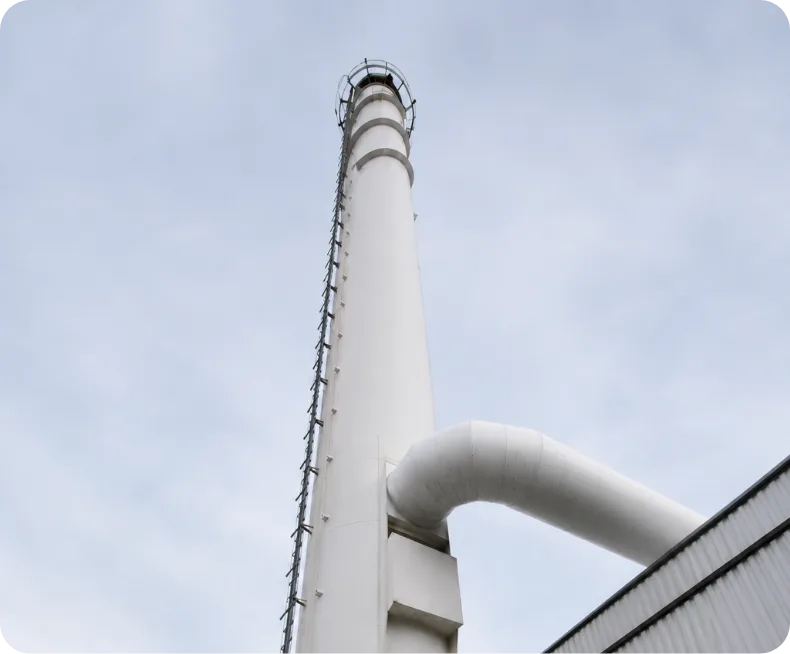
Exhaust Stack
Before combustion gases are released through the exhaust stack, recoverable heat can be captured in a convection or waste heat recovery section.
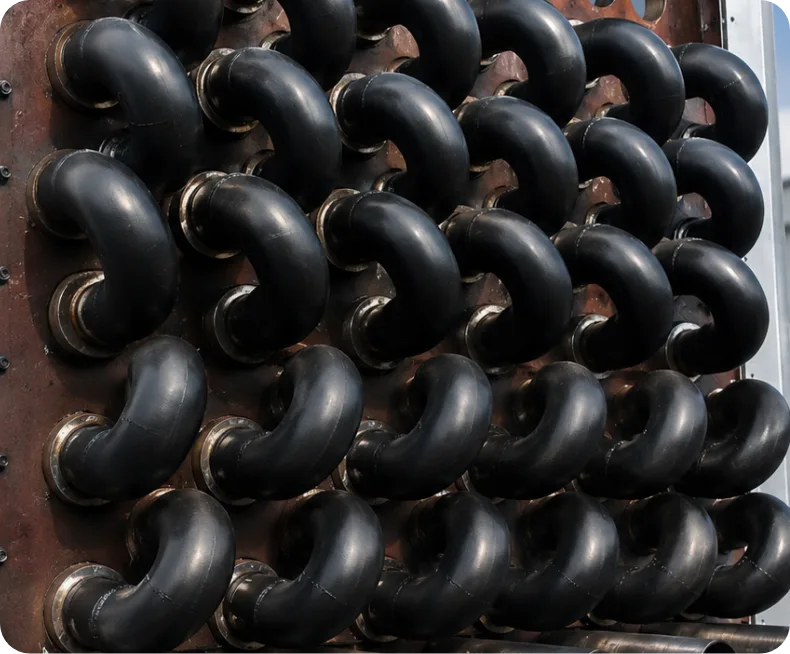
Finned or studded tubes increase the available surface area and improve heat transfer, allowing more energy to be returned to the process or used to preheat combustion air, feedwater, or other process streams.
Coil Characteristics
Coils are furnished to ASTM material specifications and API recommended sizes unless local codes require otherwise. Wall thickness is calculated to API standards unless alternative codes are specified. Material selection is governed by stress levels at operating temperature, in-tube corrosion, external oxidation and resistance to hydrogen embrittlement.
The coil support system is an integral part of every design. Free-expanding coils must absorb their own thermal movements and, in many cases, movements imposed by the customer’s transfer piping. Supports and guides are designed and positioned with care following full coil flexibility analysis.
Convection Sections
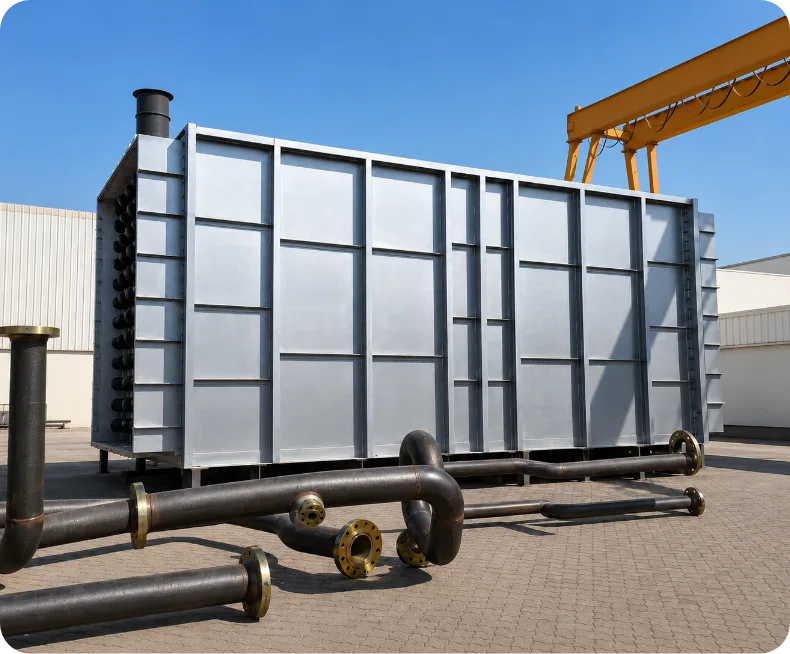
Where fuel costs need to be reduced, high-temperature flue gases from the firebox pass to a thermal recovery section of closely nested tubes. Extended surface elements such as fins or studs welded to tubes in the cooler regions, can improve heat transfer significantly, with surface extension ratios of 10:1 or more readily achievable.
Design calculations proceed row by row to ensure heat flux for sensitive hydrocarbon materials stays below burnout level and film temperatures are controlled to minimise coking.
Refractory Linings
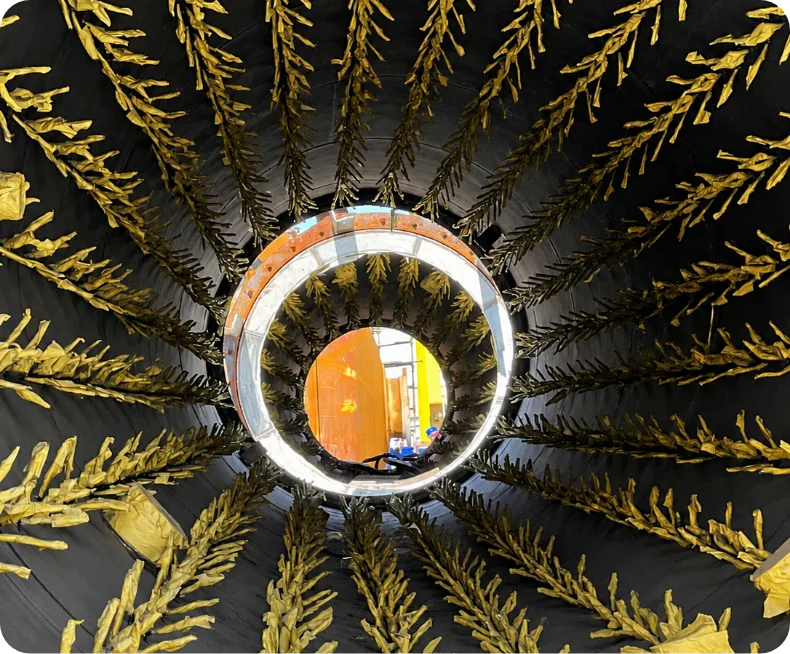
Heater casings and structures are internally lined throughout with high temperature insulating materials. Long strand kaolin fibre in blanket or modular form is generally preferred for walls, overhead sections and cyclic service applications. Monolithic or multi-layer concrete is used in areas exposed to erosion, such as convection sections, ducts and load-bearing floors. Brickwork in suitable refractory grades is specified for walls exposed to very high temperatures.
Typical Applications

Crude Oil Heating

Regeneration Gas Heating

Thermal Fluid Heating

Natural Gas Heating

Air Heating
WHAT WE MAKE

Thermal Fluid Heaters
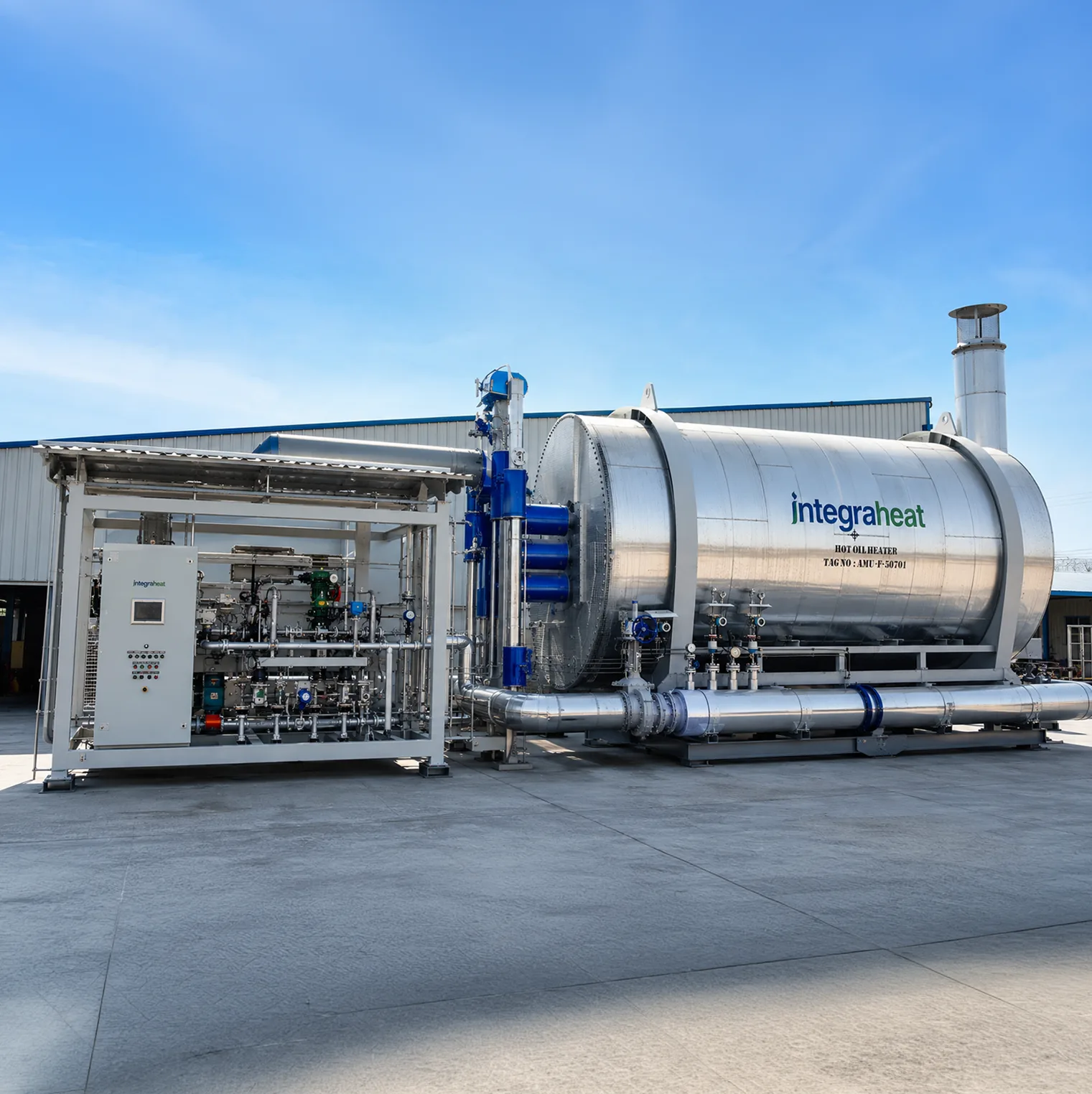
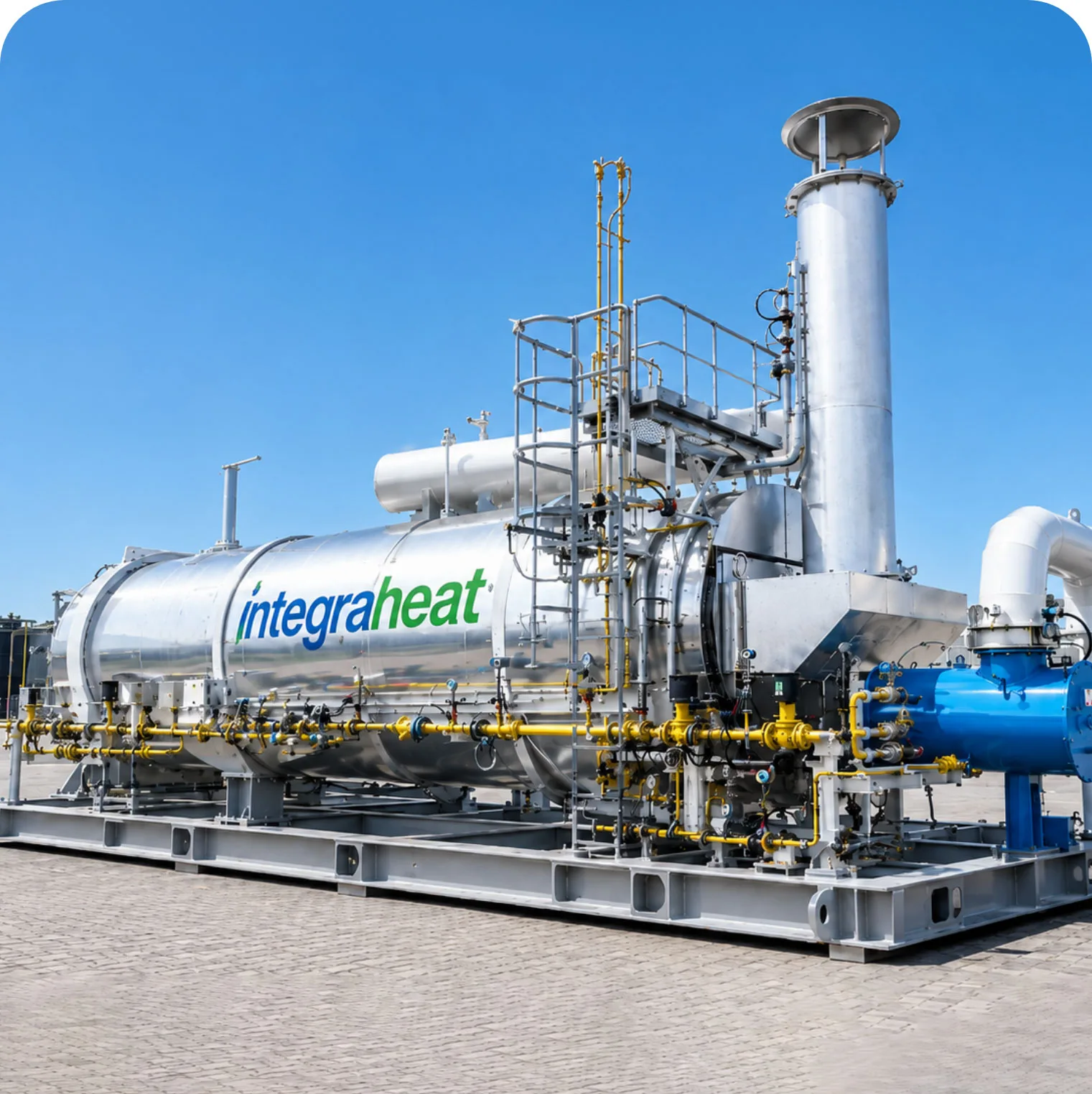
Indirect heating systems that utilise a circulating thermal fluid to deliver controlled high-temperature heat without the need for high-pressure steam. Ideal for applications where multiple process users require heat from a single system.
Water Bath Heaters
Indirect fired heaters that heat the target fluid through a process coil submerged in a heated water or glycol bath, depending on the required outlet temperature.
Industrial Burners
A bespoke range of natural and forced draft burners designed for process heating systems, covering firing rates from 350 kW to 30 MW and meeting global emission requirements.
Once Through Steam Generators
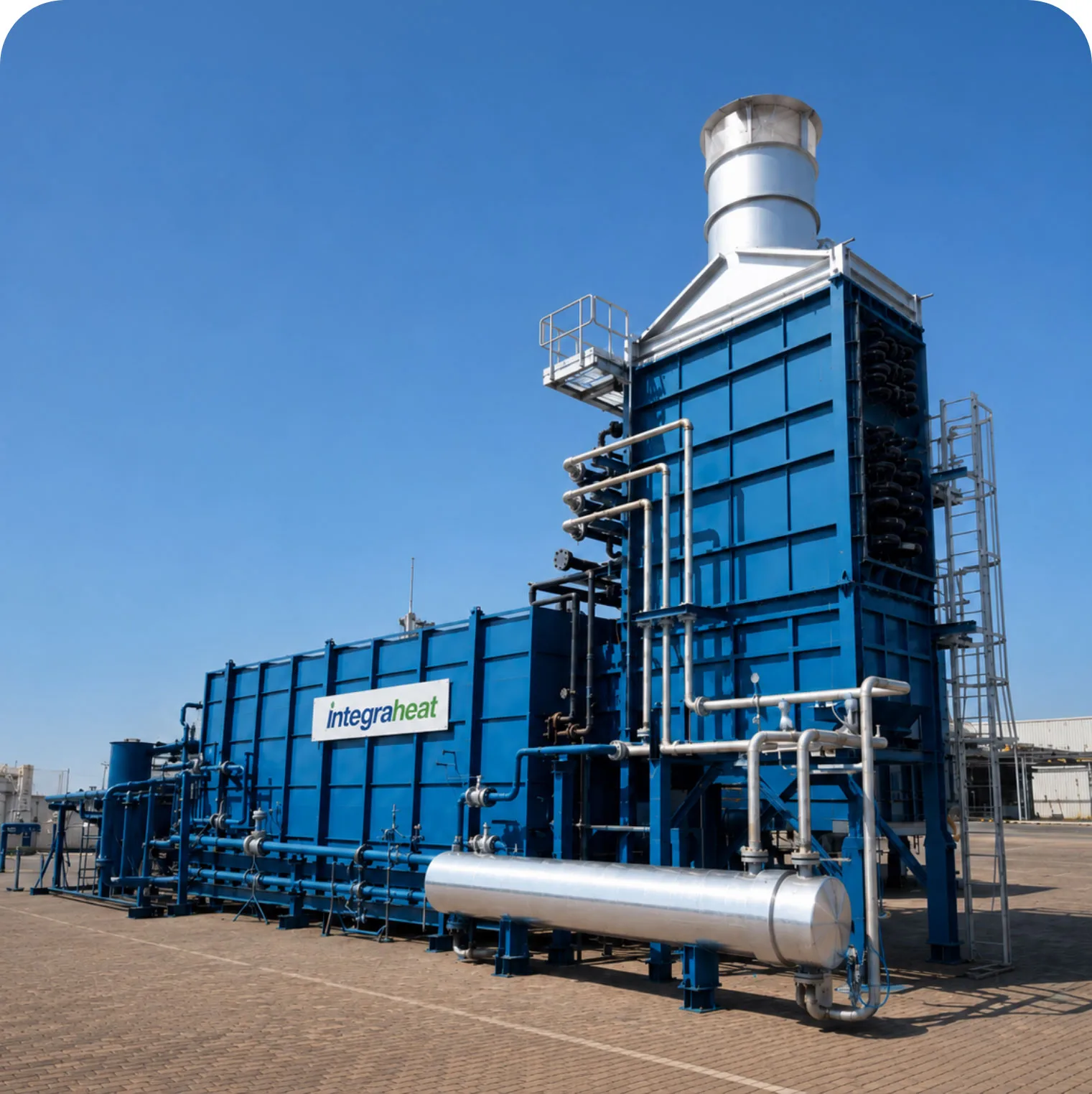
Fired heating solutions that produce high-pressure steam in a single pass for enhanced oil recovery and other demanding industrial applications.
Burner Management Systems
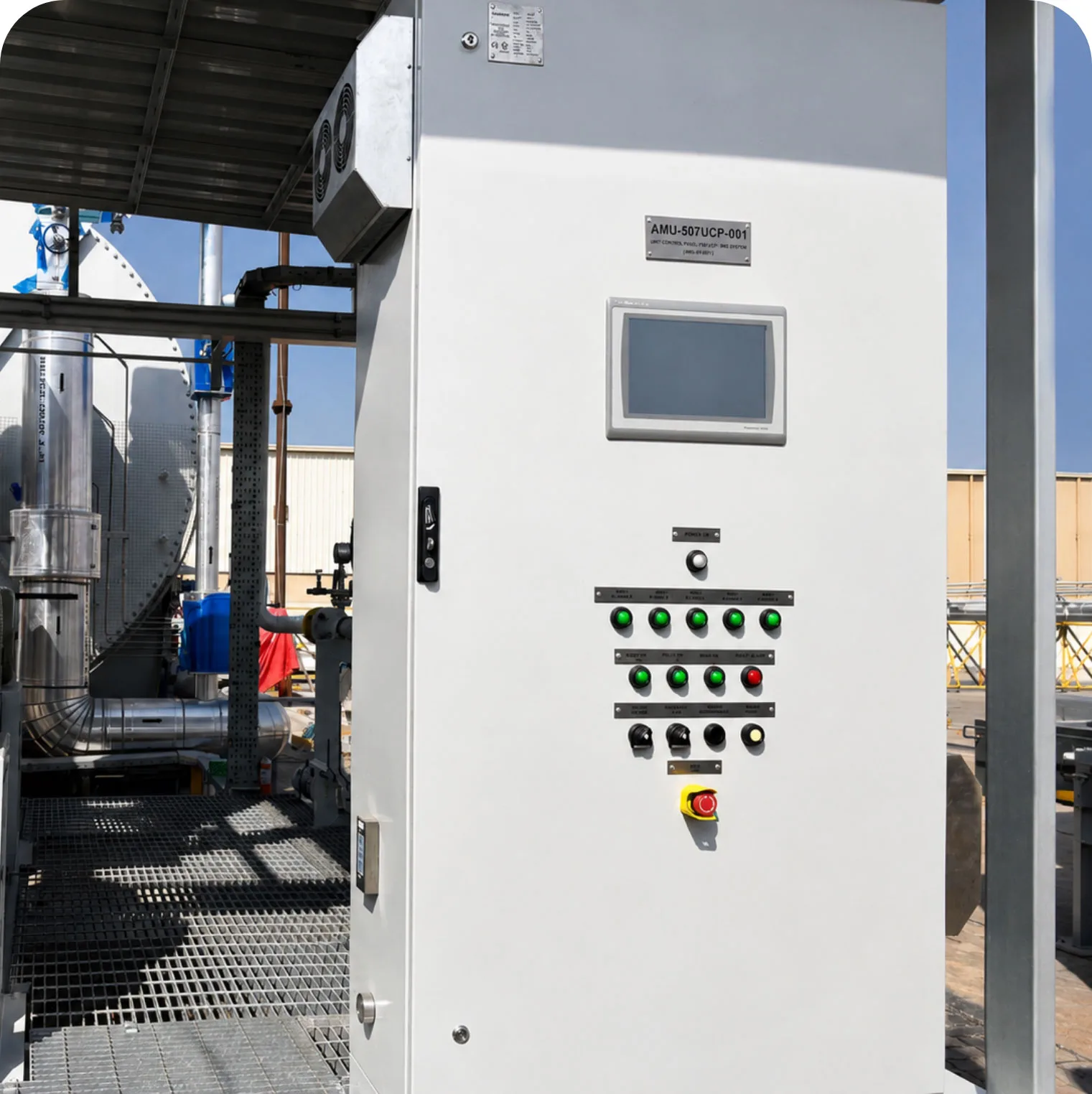
Safety systems ensuring the safe start-up, operation and shutdown of process burners across a wide range of heating applications.
Get in Touch WITH OUR TEAM
To discuss your process heating or combustion requirements, contact the Integraheat team.