INDUSTRIAL BURNERS
Our range of natural and forced draft burners is engineered to deliver efficient, reliable, and low-emission performance across a wide variety of process heating applications.

We offer a bespoke range of natural and forced draft burners, specially designed for process heating systems. Firing rates run from 300 kW to 30 MW, meeting global emission requirements across a broad range of applications, with low NOx output and minimum noise as standard.
Our burners are equally suited to new installations and to retrofit projects where an existing burner from another supplier is underperforming or failing to meet efficiency expectations. Selecting the right burner matters financially as well as operationally. The return on an Integraheat upgrade can be realised within a year of commissioning, generating year-on-year energy savings beyond that.
Burner Design: The Background
Our burner philosophy dates to the early 1980s, when the business began developing large single burner firetube systems. Original technology from the 1930s, already well established among gas engineers and burner designers, was used as the foundation for inspirating premix burners up to 16 inches in nozzle diameter.
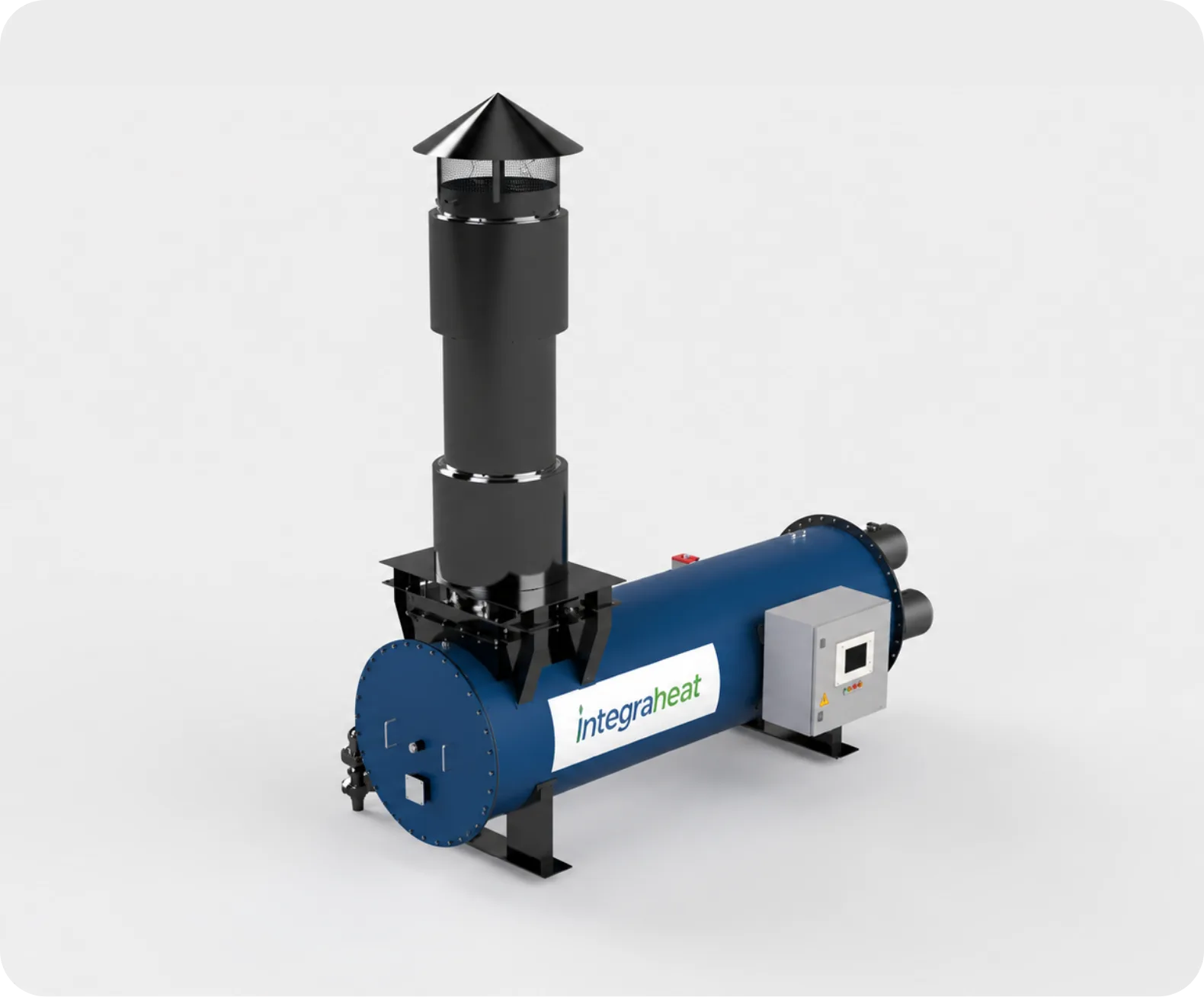
Natural Draft
Combustion air flows through the difference in density between ambient air and flue gases. The burner sits within a gas and weathertight enclosure, with combustion air entering through an intake silencer and flame arrester.
Forced Draft
An external blower creates the pressure difference needed to drive combustion air, giving greater control over firing conditions.
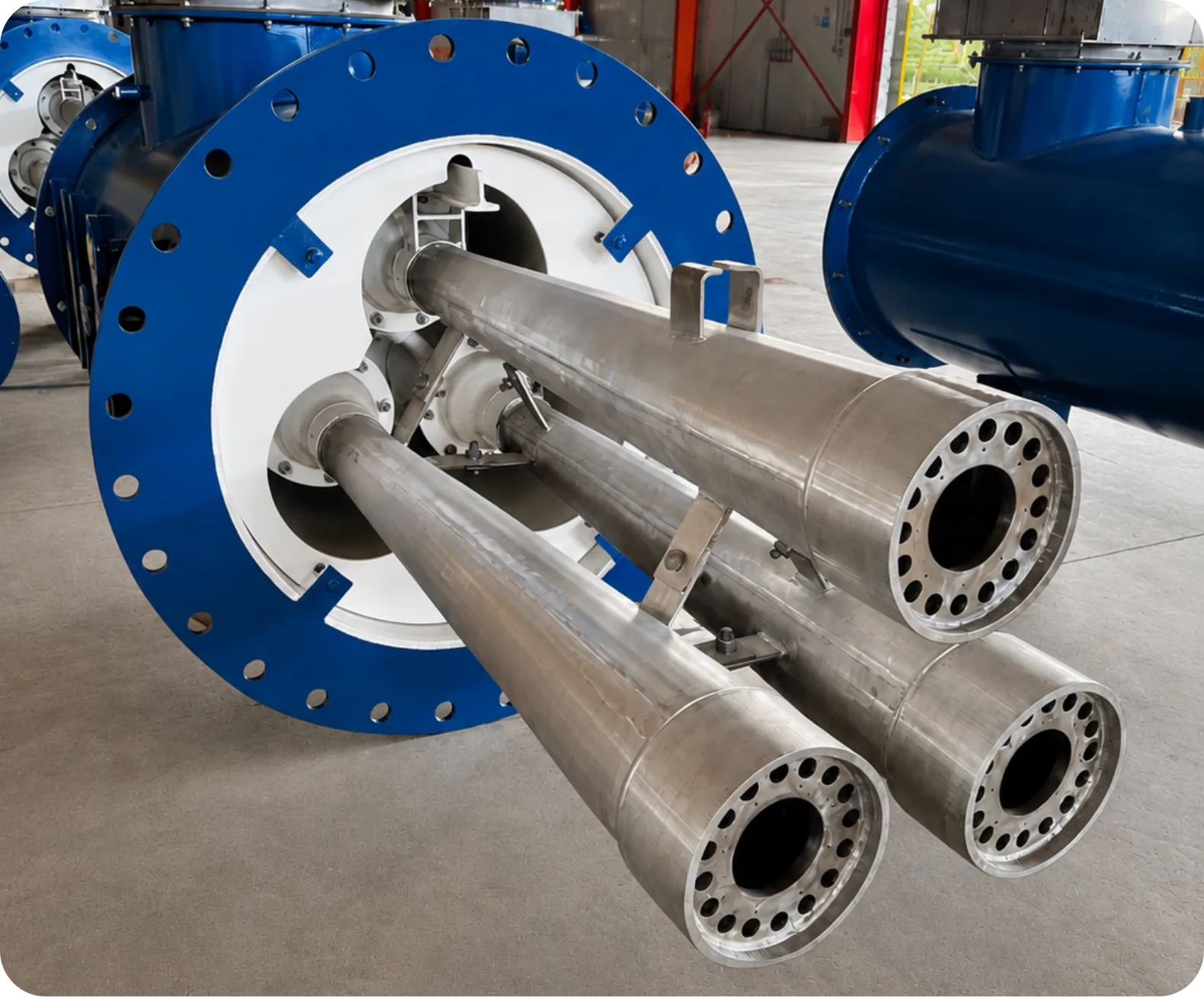
Our original burners are built in the classic venturi style developed for the oil industry. An inspirating section uses fuel gas to induce air through momentum transfer, feeding into a conical expansion section that leads to the firing nozzle. The nozzle itself is manufactured in higher grade, heavier section stainless steel, with an extension that promotes local flame recirculation and retention. A central primary port is surrounded by smaller secondary and tertiary ports, with the balance between them controlling flame diameter to match the combustion chamber design.
The traditional jet type injects fuel gas into the centre of the inspirator. The expanding gas stream carries combustion air with it, and the mixture fires through the nozzle ports. This remains the preferred choice for oilfield applications, where the ability to handle dirty gas with lower maintenance requirements gives it a practical advantage.
The Coanda effect type injects fuel gas through a small annular gap, drawing air into the centre of the inspirator. It relies on precise machining of the profiles involved and delivers superior momentum transfer efficiency. Coanda burners are suited to applications where fuel gas is filtered, non-corrosive and predominantly methane. They have become the burner of choice for global gas distributors on water bath heaters, valued for their quiet operation and their suitability for NOx control through flue gas induction into the fuel and air premix.
Whichever burner type is selected, firing nozzle arrangement and flame shape remain consistent, and burner performance is equivalent. Our burners have been deployed on more than 100 fired heaters, predominantly for gas distribution companies, over several decades. The record speaks for itself: safe, efficient, reliable and built to last.
Our original burners are built in the classic venturi style developed for the oil industry. An inspirating section uses fuel gas to induce air through momentum transfer, feeding into a conical expansion section that leads to the firing nozzle. The nozzle itself is manufactured in higher grade, heavier section stainless steel, with an extension that promotes local flame recirculation and retention. A central primary port is surrounded by smaller secondary and tertiary ports, with the balance between them controlling flame diameter to match the combustion chamber design.
The traditional jet type injects fuel gas into the centre of the inspirator. The expanding gas stream carries combustion air with it, and the mixture fires through the nozzle ports. This remains the preferred choice for oilfield applications, where the ability to handle dirty gas with lower maintenance requirements gives it a practical advantage.
The Coanda effect type injects fuel gas through a small annular gap, drawing air into the centre of the inspirator. It relies on precise machining of the profiles involved and delivers superior momentum transfer efficiency. Coanda burners are suited to applications where fuel gas is filtered, non-corrosive and predominantly methane. They have become the burner of choice for global gas distributors on water bath heaters, valued for their quiet operation and their suitability for NOx control through flue gas induction into the fuel and air premix.
Whichever burner type is selected, firing nozzle arrangement and flame shape remain consistent, and burner performance is equivalent. Our burners have been deployed on more than 100 fired heaters, predominantly for gas distribution companies, over several decades. The record speaks for itself: safe, efficient, reliable and built to last.
WHAT WE MAKE
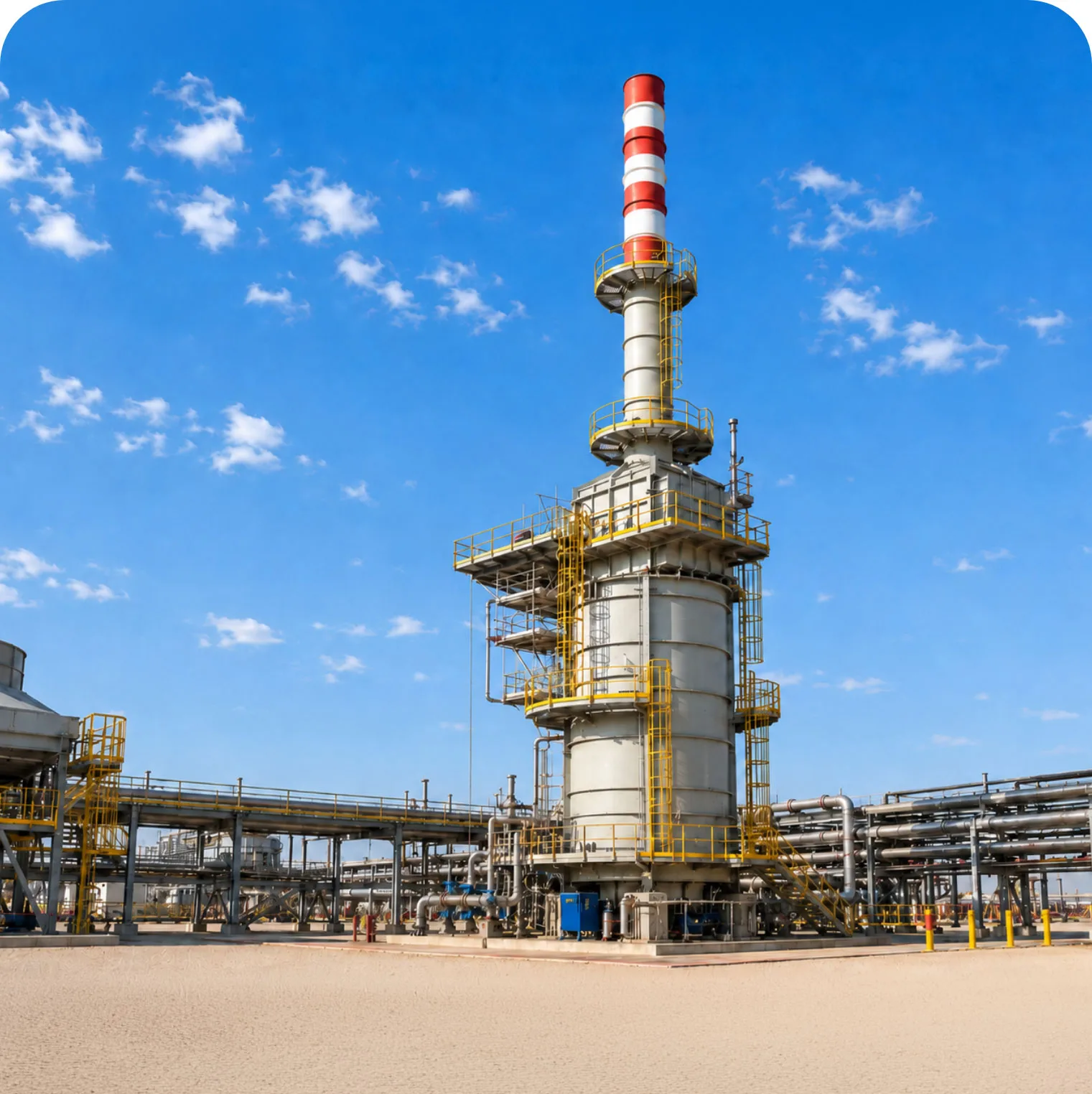

Direct Fired API 560 Heaters
Used across multiple heating requirements and particularly associated with crude oil heating. Available in a range of configurations to suit the application.
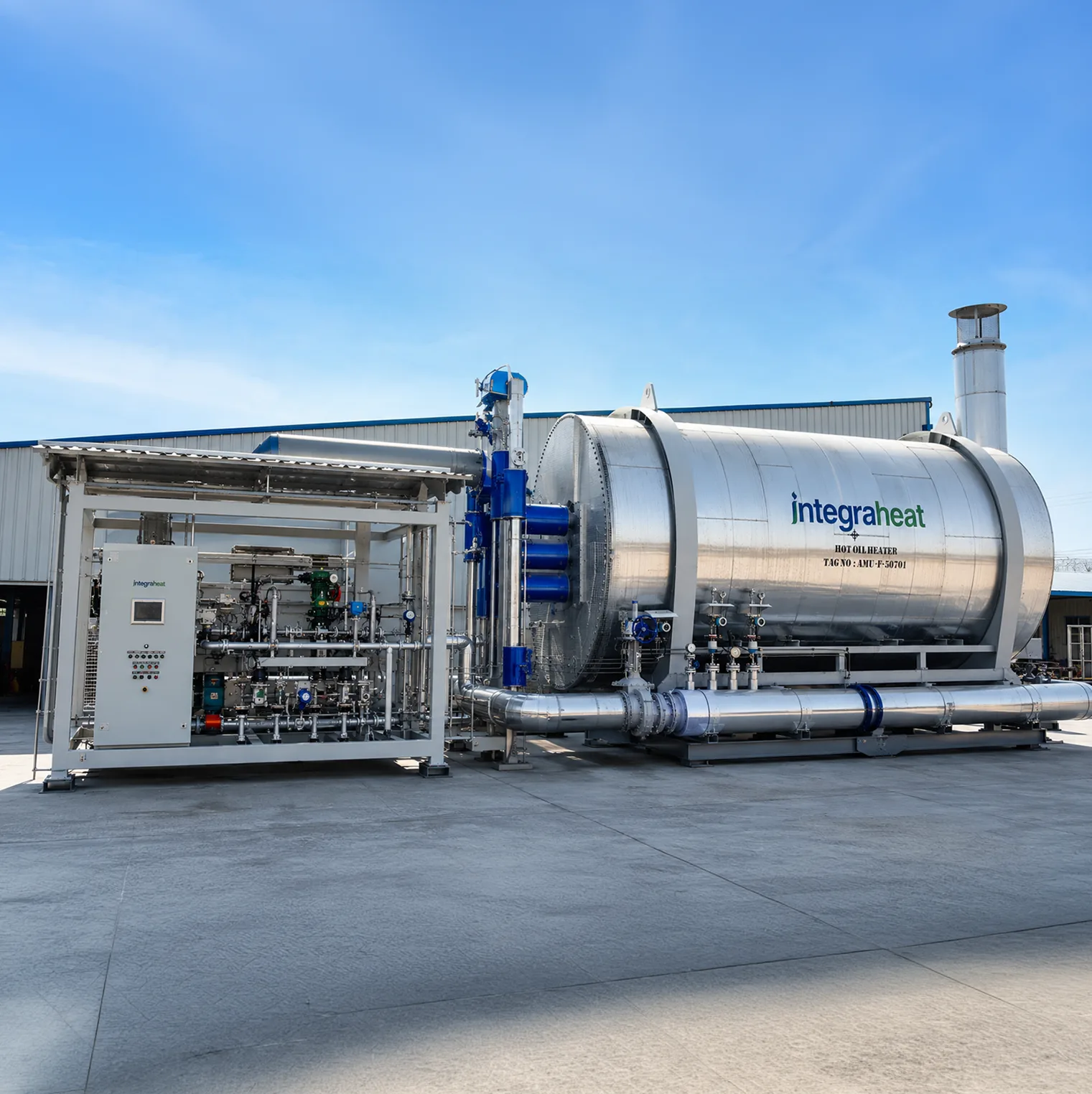
Thermal Fluid Heaters
Indirect heating systems that utilise a circulating thermal fluid to deliver controlled high-temperature heat without the need for high-pressure steam. Ideal for applications where multiple process users require heat from a single system.
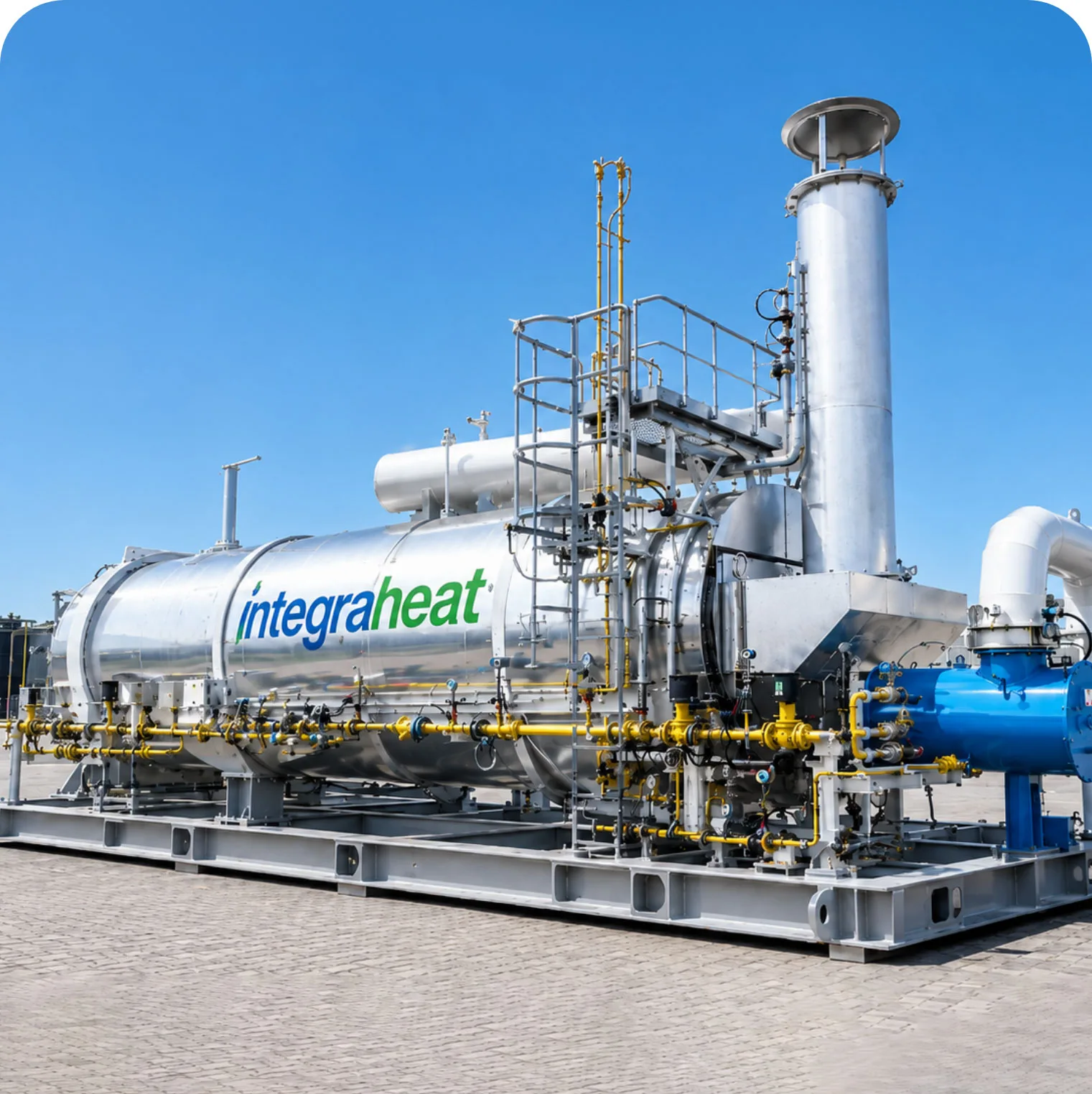
Water Bath Heaters
Indirect fired heaters that heat the target fluid through a process coil submerged in a heated water or glycol bath, depending on the required outlet temperature.
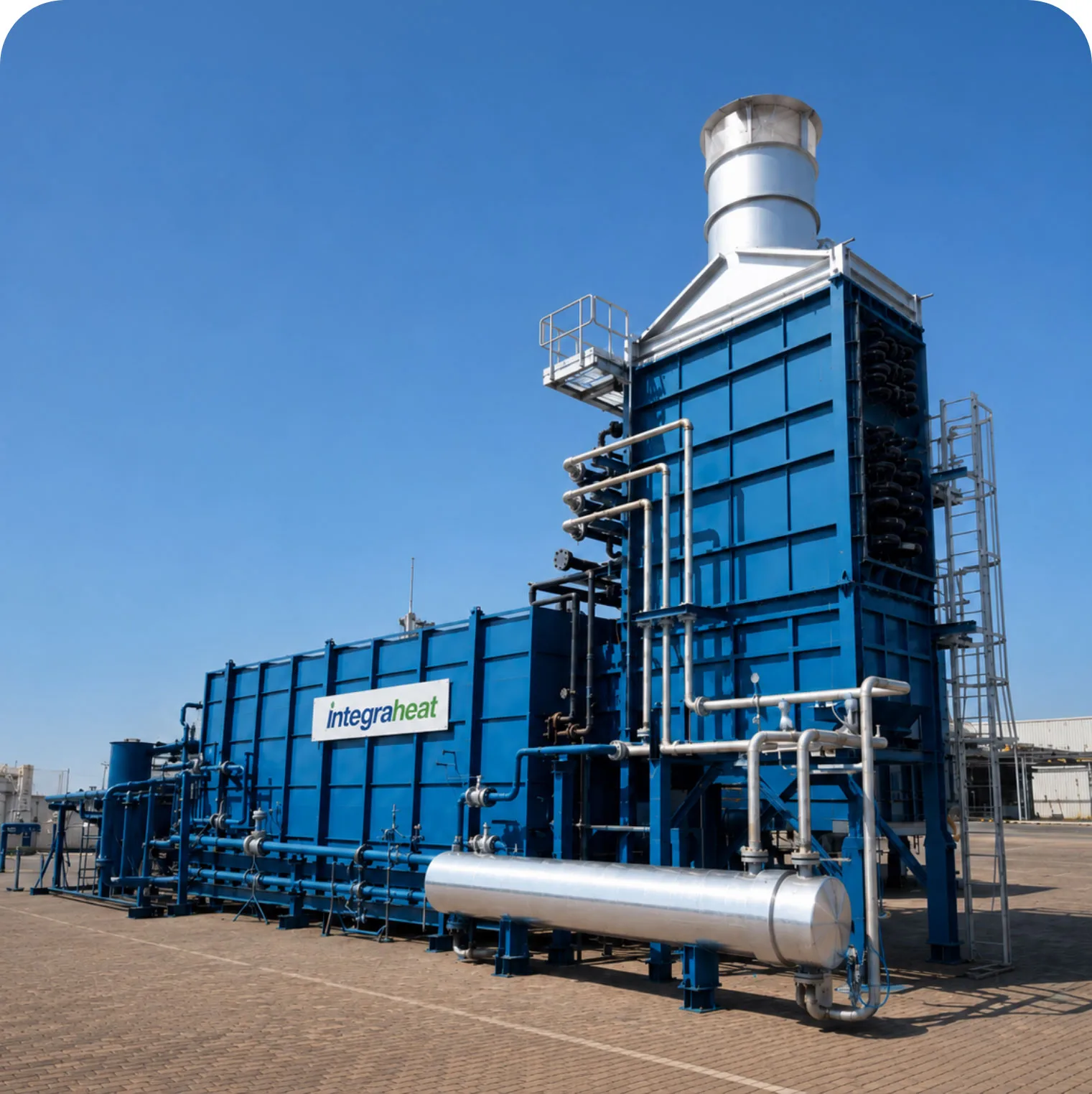
Once Through Steam Generators
Fired heating solutions that produce high-pressure steam in a single pass for enhanced oil recovery and other demanding industrial applications.
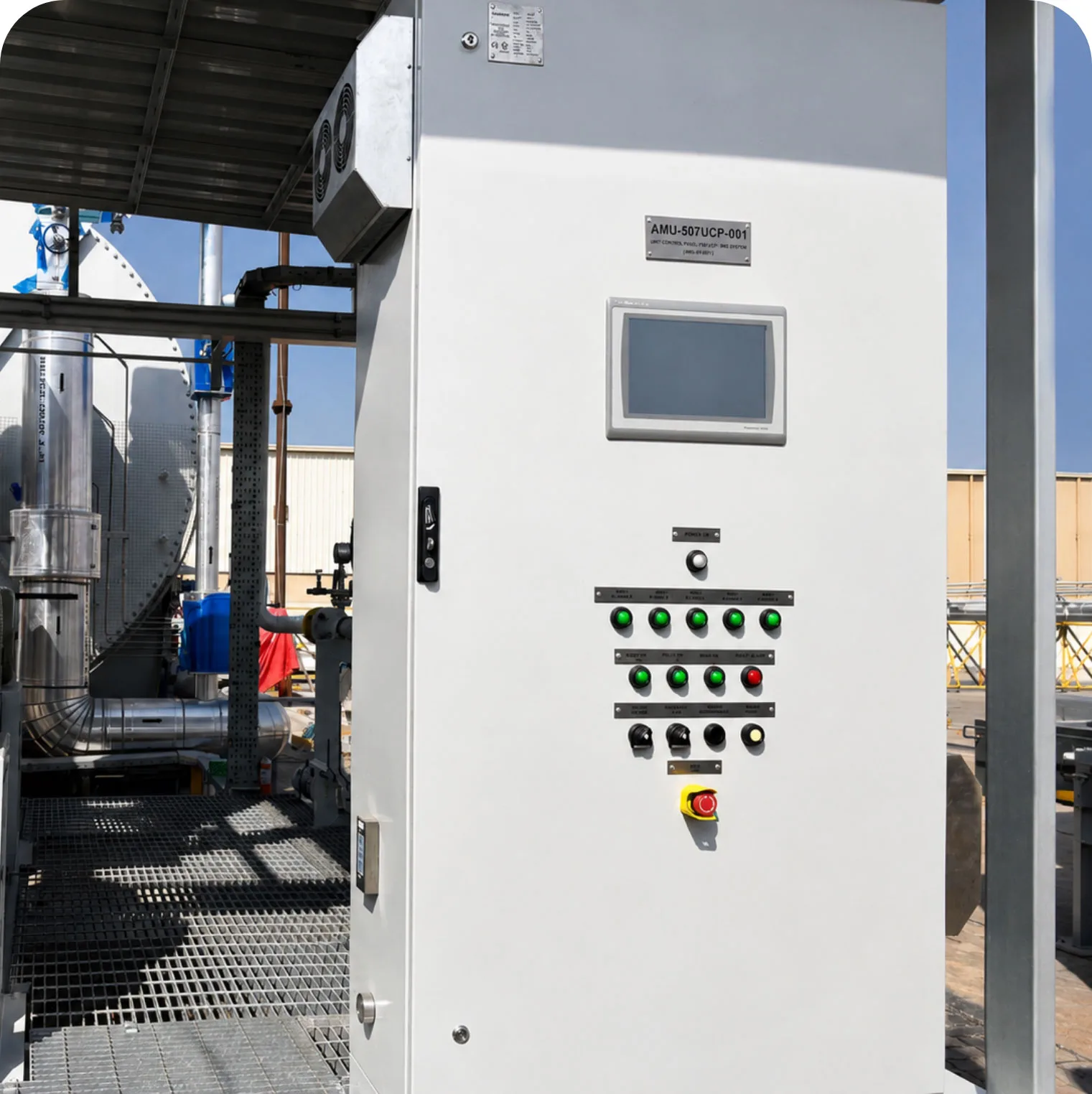
Burner Management Systems
Safety systems ensuring the safe start-up, operation and shutdown of process burners across a wide range of heating applications.
Get in Touch WITH OUR TEAM
To discuss your process heating or combustion requirements, contact the Integraheat team.