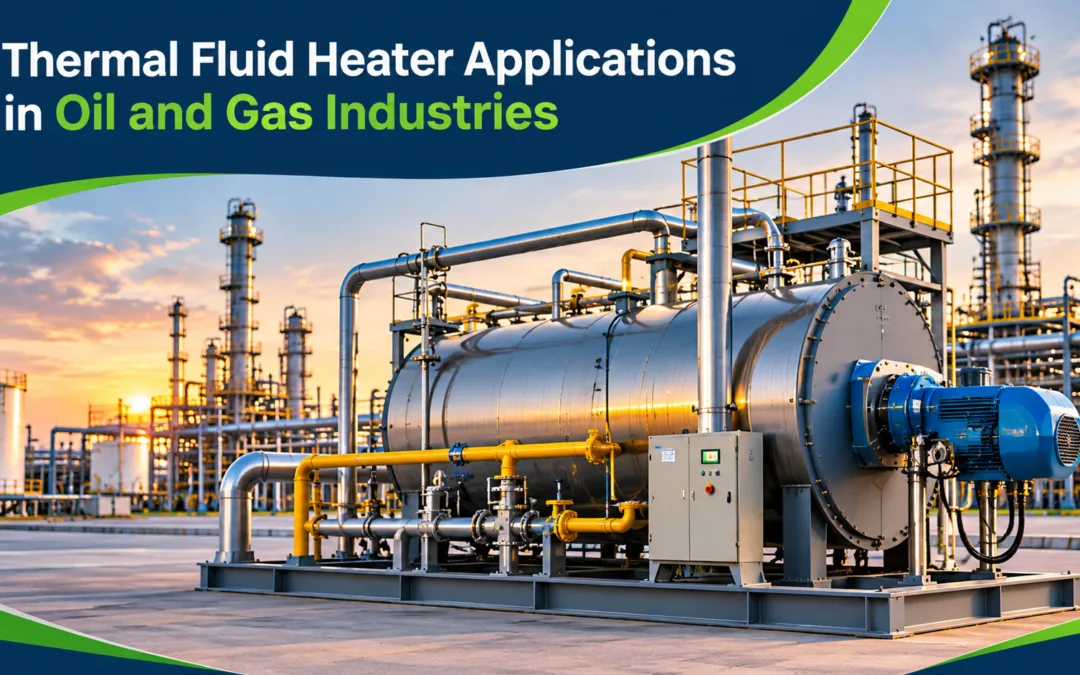
Thermal Fluid Heater Applications in Oil and Gas Industries
Industrial processes often require reliable heat at controlled temperatures to support production, treatment and material processing. In oil and gas facilities, this demand can extend across multiple process units, each requiring a consistent supply of thermal energy.
Thermal fluid heater applications are particularly relevant where high-temperature indirect heating is required without using high-pressure steam as the primary heat transfer medium.
Also known as hot oil heaters, thermal fluid heaters circulate a heat transfer fluid through a closed system. The fluid is heated in a fired heater and then distributed to one or more process users, where it transfers heat before returning to the heater for reheating.
This approach provides flexibility in industrial process heating and is widely used across oil and gas, petrochemical, power generation and refining operations.
Integraheat
What Is a Thermal Fluid Heater?
A thermal fluid heater is a fired heating system that heats a circulating liquid, commonly thermal oil, to provide indirect heat to industrial processes.
Unlike a conventional steam-based heating arrangement, the system uses a thermal fluid as the heat transfer medium. The fluid circulates through a heater coil, absorbs energy from combustion, and carries that energy to the process equipment.
A typical thermal fluid heating system may include:
-
Fired thermal fluid heater.
-
Industrial burner.
-
Thermal fluid circulation pumps.
-
Expansion tank.
-
Drain and fill tanks.
-
Fuel train.
-
Burner Management System (BMS).
-
Interconnecting pipework and instrumentation.
The system can serve a single process user or distribute heat to several users, depending on the plant configuration and required heating duty.
Integraheat offers thermal fluid heaters in horizontal and vertical configurations, with natural or forced draft burner options and fuel gas, diesel or fuel oil firing, subject to project requirements.
Integraheat
Key Thermal Fluid Heater Applications in Oil and Gas Industries
Thermal fluid heating systems are suitable for a variety of processes where controlled indirect heating is required.
1. Crude Oil Processing
Crude oil processing may require heating to achieve suitable temperatures for separation, treatment and other downstream operations.
Thermal fluid systems can provide heat to process equipment such as heat exchangers and other indirect heating users. The thermal fluid transfers energy without mixing with the crude oil stream.
The required heater duty depends on the crude oil properties, process flow rate, temperature requirements and overall plant design.
2. Refinery Process Heating
Refineries use heat across a range of operations, including feed preheating, product treatment and other process duties.
Thermal fluid heaters can supply heat to selected refinery systems where indirect heating is appropriate. Their ability to serve multiple users can be beneficial when several process units require a shared source of thermal energy.
The choice between thermal fluid, steam and direct-fired heating depends on the required temperature, process arrangement, operating pressure and energy efficiency considerations.
3. Petrochemical Processing
Petrochemical plants involve processes that require controlled heating to support chemical reactions, material conditioning and product handling.
Thermal fluid systems can provide heat to reactors, vessels, heat exchangers and other equipment designed for indirect heating.
The thermal fluid is selected according to the required operating temperature and its physical and chemical properties, including thermal stability and compatibility with the system materials.
4. Gas Processing Facilities
Gas processing facilities may require heating for selected process operations, including regeneration, conditioning and heat supply to auxiliary systems.
A thermal fluid heater can provide a central heat source where multiple process users require controlled indirect heating.
The suitability of the system depends on the process temperature, heat load, operating profile and the design of the downstream heat transfer equipment.
5. Hot Oil Circulation Systems
One of the most direct thermal fluid heater applications is the supply of heat to a closed-loop hot oil circulation system.
The thermal fluid is heated inside the fired heater and circulated through process users. After transferring heat, it returns to the heater to be reheated.
This arrangement allows thermal energy to be distributed across several pieces of equipment without requiring a separate fired heater for every process user.
6. Power Generation and Auxiliary Heating
Some power generation facilities use thermal fluid systems for specific auxiliary heating requirements.
These may include heating duties associated with fuel handling, equipment conditioning or other plant processes, depending on the facility design.
The heater must be sized according to the combined heating demand and the operating characteristics of the connected users.
How Does a Thermal Fluid Heating System Work?
A thermal fluid heating system operates through a continuous circulation cycle.
Step 1: Fluid Circulation
A circulation pump moves the thermal fluid through the heater coil and connected process equipment.
Step 2: Heat Generation
The burner generates heat inside the fired heater. The combustion system is designed to provide the required heat input while maintaining suitable operating conditions.
Step 3: Thermal Energy Transfer
The thermal fluid absorbs heat as it passes through the heater coil. Its temperature increases to the required supply temperature.
Step 4: Heat Distribution
The heated fluid flows to one or more process users, where it transfers thermal energy through heat exchangers, jackets or other suitable equipment.
Step 5: Return and Reheating
After transferring heat, the fluid returns to the heater at a lower temperature and repeats the cycle.
The expansion tank accommodates changes in fluid volume as its temperature changes. Pumps, valves, instrumentation and control arrangements support circulation and system operation.
A thermal fluid system may be suitable when a plant requires high-temperature indirect heating and wants to avoid using high-pressure steam for that particular duty.
However, this does not mean thermal fluid systems are always more efficient or more economical. The best choice depends on the required temperature, operating conditions, heat load, lifecycle costs and plant infrastructure.
What Should Be Considered When Selecting a Thermal Fluid Heater?
Proper heater selection requires a detailed understanding of the process and the characteristics of the thermal fluid.
Key considerations include:
-
Required heat duty: The total thermal energy needed by the process.
-
Operating temperature: The required supply and return temperatures.
-
Thermal fluid properties: Viscosity, heat capacity, thermal stability and compatibility.
-
Circulation rate: The flow needed to transfer the required heat.
-
System pressure drop: The resistance across the heater, pipework and process users.
-
Burner and fuel selection: The available fuel and required combustion arrangement.
-
System expansion: The expansion tank and associated equipment must accommodate fluid volume changes.
-
Safety and control: Instrumentation, burner safeguards and operating procedures must match the design and applicable requirements.
-
Maintenance and fluid management: The thermal fluid condition should be monitored and maintained according to the fluid supplier’s recommendations.
The Importance of Thermal Fluid Selection and Maintenance
The thermal fluid is a critical part of the overall heating system. Its performance can change over time due to operating temperature, oxidation, contamination and thermal degradation.
Incorrect fluid selection or poor maintenance can affect heat transfer performance, increase operating problems and shorten fluid service life.
A suitable maintenance programme may include:
-
Monitoring thermal fluid condition.
-
Checking for signs of oxidation or contamination.
-
Inspecting pumps, seals, valves and pipework.
-
Checking expansion tank operation.
-
Inspecting heater coils and burner equipment.
-
Maintaining suitable operating temperatures and flow conditions.
Maintenance requirements should follow the fluid manufacturer’s guidance and the equipment operating procedures.
Selecting a Thermal Fluid Heater for Industrial Operations
Thermal fluid heaters provide a practical solution for industrial facilities that require controlled, high-temperature indirect heating.
Their applications across oil and gas, refining and petrochemical industries make them an important option for plants where several process users require a reliable source of thermal energy.
The right solution depends on the process duty, thermal fluid, operating temperatures, circulation requirements, fuel availability and safety considerations.
Integraheat engineers thermal fluid heating systems for demanding industrial applications, with configurations designed around specific process and project requirements.
Explore our Thermal Fluid Heaters to learn more about our heating solutions, or contact our team to discuss your application.